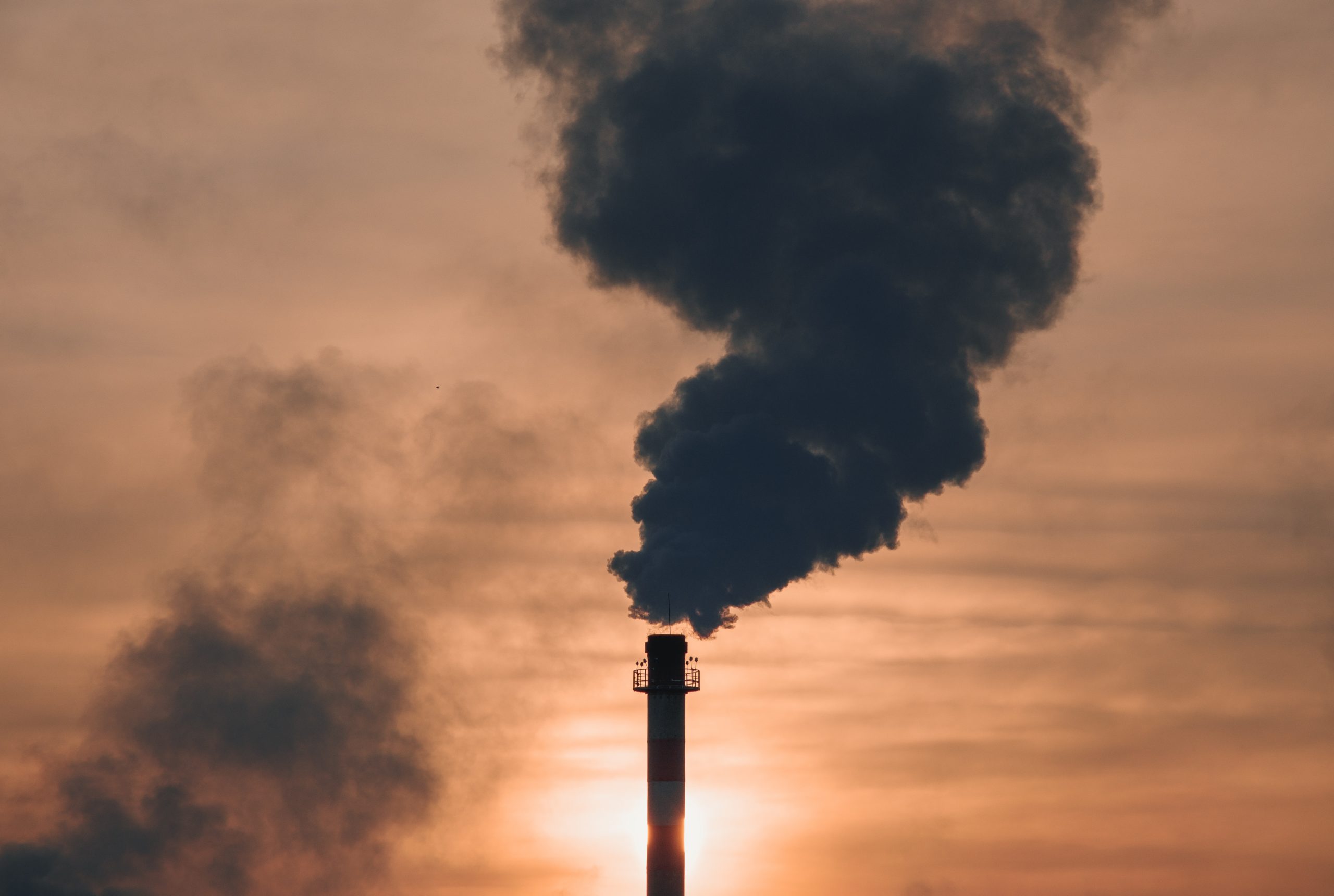
Climate action is often discussed through one central metric: carbon dioxide.
That focus is justified. CO₂ remains in the atmosphere for a very long time, and cumulative carbon dioxide emissions are the principal driver of long-term global warming.
But not every climate pollutant behaves like CO₂.
Black carbon — commonly called soot — is a short-lived climate pollutant generated through incomplete combustion. It is associated with diesel engines, shipping, industrial processes, coal and biomass burning, residential solid-fuel use, open burning and some agricultural practices.
It remains in the atmosphere for far less time than CO₂. Yet while present, it can absorb sunlight and contribute strongly to warming. When deposited on snow and ice, it can also reduce reflectivity, accelerating melt.
New research published in Nature Geoscience reports that the soot fraction of total anthropogenic black-carbon emissions rose from 16% in 1750 to 35% in 2019, driven primarily by changes in emissions sources and composition.
The finding is a reminder that effective climate strategy requires two things at once: rapid reductions in long-lived greenhouse gases and targeted action on short-lived pollutants that intensify near-term warming and damage human health.
What black carbon is
Black carbon is not a greenhouse gas. It is a component of particulate matter created when fuels do not burn completely.
It is often emitted alongside other pollutants, including fine particulate matter, organic carbon, nitrogen oxides and sulphur compounds. The mix depends on the source, fuel, combustion conditions and pollution controls.
Black carbon is especially important because it has both climate and health consequences.
From a climate perspective, it absorbs solar radiation. From a health perspective, the fine particles associated with combustion pollution can penetrate deeply into the lungs and enter the bloodstream, contributing to significant health risks.
This creates an unusual policy opportunity: action that reduces black carbon can improve air quality and public health quickly while also reducing near-term warming pressure.
Why short-lived pollutants matter
The short atmospheric lifetime of black carbon can cause confusion.
Some may conclude that because it does not persist as long as CO₂, it is less important. That is the wrong conclusion.
Its short lifetime means emissions reductions can create benefits relatively quickly.
Reducing CO₂ is essential to stabilise the climate over the long term. There is no substitute for it.
Reducing black carbon, however, can complement CO₂ reductions by slowing near-term warming, improving urban air quality, reducing pollution exposure and protecting snow- and ice-covered regions from darkening and accelerated melt.
The distinction matters for policy design.
A net-zero strategy focused only on annual CO₂ inventories can overlook high-impact actions in transport, household energy, shipping, waste management and industrial combustion.
A better approach identifies where interventions can produce multiple benefits at once.
Where action can deliver results
Transport and diesel engines
Diesel vehicles, particularly older and poorly controlled engines, can be significant sources of black-carbon emissions.
The response includes stricter vehicle-emission standards, clean-fuel policies, electrification, fleet replacement, effective inspection and maintenance, and better urban transport systems.
For companies operating vehicle fleets, this is not only an emissions question. It is also a local-air-quality, staff-health, regulatory and reputational issue.
Residential energy
In many parts of the world, households rely on solid fuels such as wood, charcoal, coal or crop residues for cooking and heating. Incomplete combustion can create substantial indoor and outdoor pollution exposure.
Cleaner cooking technologies, electrification, improved stoves, clean fuels and reliable energy access can therefore contribute to climate action and public health simultaneously.
Shipping
The shipping sector has a particular connection to black carbon, especially in sensitive regions such as the Arctic.
Fuel choices, engine efficiency, emissions controls and operational practices all influence particulate emissions. As shipping routes and activity patterns evolve, black-carbon controls will become an increasingly relevant part of the debate about maritime climate and environmental performance.
Agriculture and open burning
Open burning of agricultural residues and other biomass can release black carbon and other harmful pollutants.
Alternatives include improved waste collection, composting, bioenergy pathways designed with appropriate emissions controls, soil-management practices and circular uses for agricultural residues.
Industry and energy systems
Industrial combustion, small-scale generators and inefficient fuel use can also contribute to particulate emissions.
Energy efficiency, electrification, cleaner heat, pollution-control equipment and low-emissions fuel switching can reduce black carbon while helping businesses manage broader transition risks.
The reporting gap
Most corporate climate strategies are designed around Scope 1, Scope 2 and Scope 3 greenhouse-gas emissions. That framework is essential, but it does not automatically provide a full picture of local air-pollution exposure or short-lived climate pollutants.
Businesses with material combustion sources should consider whether their environmental performance systems capture:
Fine particulate matter and black-carbon emissions.
Combustion efficiency.
Fuel type and quality.
Fleet age and emissions controls.
Exposure risks for workers and nearby communities.
Local air-quality impacts near facilities and logistics routes.
Progress on electrification and cleaner alternatives.
This is particularly relevant for transport, logistics, shipping, manufacturing, construction, extractives, utilities, agriculture and companies with large physical supply chains.
The next generation of environmental intelligence will need to connect carbon accounting with air quality, health, resilience and place-based impact.
Avoid a false choice
There is an important caution.
Black-carbon reduction is not an alternative to cutting CO₂. It cannot compensate for continued fossil-fuel emissions, and it should not be used to justify a slower transition away from carbon-intensive systems.
The correct approach is additive.
Cut CO₂ rapidly to reduce long-term warming.
Reduce methane and other short-lived climate pollutants where credible action is available.
Reduce black carbon to improve air quality, public health and near-term climate outcomes.
This combination is more effective than treating climate strategy as a single-metric exercise.
A business and policy opportunity
For governments, reducing black carbon can connect climate policy with visible local benefits: cleaner air, lower healthcare burdens, better quality of life and improved resilience in vulnerable regions.
For companies, the opportunity lies in integrating clean-air performance into transition plans, fleet strategy, energy procurement, operational efficiency and supply-chain standards.
The companies most prepared for the next phase of sustainability will recognise that climate leadership is not only about distant net-zero dates.
It is also about reducing harmful emissions now, where people live and work.
Black carbon is one of those opportunities hiding in plain sight.