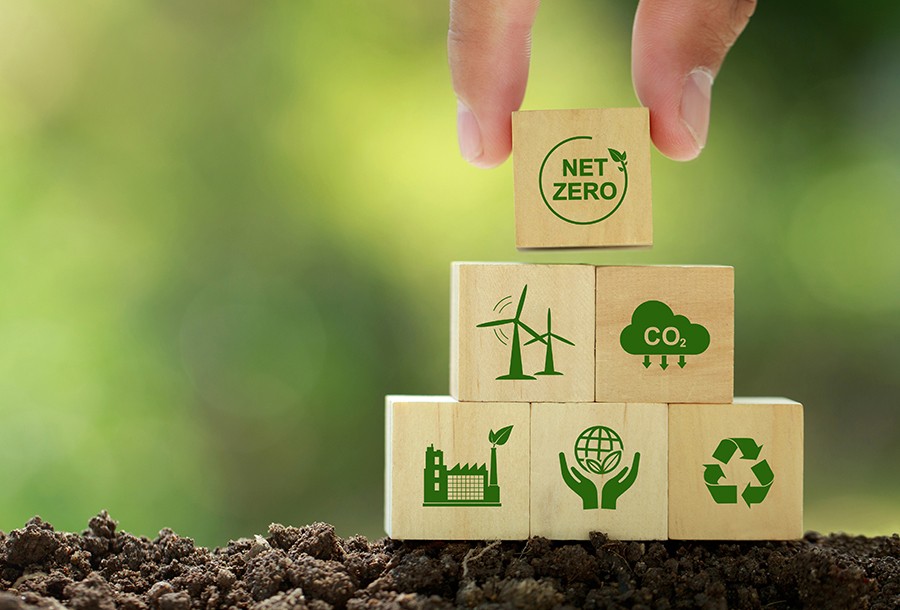
For much of the last decade, climate education sat in the CSR corner of the organisation – voluntary workshops, school partnerships and awareness campaigns with limited connection to the core business. As you can see across BSustainable Today’s coverage of CSRD, ESRS revisions, EU ETS reforms and the new packaging rules, that world has gone. Today, investors, regulators and boards are asking for transition plans aligned with net zero by 2050, backed by audit‑ready data and clear accountability. That shift turns climate literacy into a risk tool.
DLA Piper’s Horizon series and other legal briefings emphasise how net‑zero‑aligned transition plans are becoming a formal expectation in sustainability law and policy. At the same time, ESG Dive reports that sustainability teams are narrowing their focus and prioritising compliance and reporting requirements as the main driver in 2026, signalling a phase of “fewer, clearer priorities” centred on regulation and assurance. From a BSustainable lens, those two trends meet in one place: organisations cannot navigate this new architecture if their people do not understand the basics of climate risk, emissions scopes and transition pathways.
Many of the frameworks BSustainable tracks – ISSB, UK SRS, ESRS, EU Taxonomy and PPWR – expect companies to disclose climate risks, opportunities, transition plans and financial impacts in ways that are technically robust and decision‑useful. Teams preparing climate and sustainability reports cannot meet those expectations if managers and boards still see climate as an abstract topic. Net zero education is increasingly the mechanism that brings finance, risk, operations and procurement up to a common baseline of understanding so that disclosures, scenarios and policies are coherent.
This matters directly for transition governance, a recurring theme in BSustainable articles. EU ETS reforms, evolving carbon‑market rules and CSRD’s double materiality test all push climate decisions into the core of corporate governance and risk management. Without structured education, boards may misread regulatory signals, over‑rely on simplistic offset strategies, or fall into greenwashing traps when marketing “net zero” claims. Giving directors and executives targeted training on climate science, policy and reporting standards is becoming as important as traditional financial literacy programmes.
Net zero education also shows up in day‑to‑day implementation of rules like PPWR and due‑diligence regimes that BSustainable monitors. Packaging compliance, product design for recyclability, supply‑chain screening and nature‑related risk assessments all depend on thousands of decisions made by people who may never call themselves “sustainability professionals”. If those teams lack climate literacy, they can unintentionally undermine transition plans, even when headline targets look ambitious.
From BSustainable Today’s perspective, three practical steps stand out:
Map climate literacy needs across functions: finance, risk, procurement, operations, HR and communications, aligning topics with the regulations and standards already in your roadmap.
Integrate net zero content into existing training frameworks, so ESG compliance skills sit alongside financial, legal and operational training rather than as occasional standalone sessions.
Link education outcomes to reporting cycles, ensuring the people responsible for CSRD, ESRS, PPWR, ETS and Taxonomy disclosures receive specific, technical training before key deadlines.
For BSustainable readers, the insight is straightforward: net zero education is now a structural part of transition planning and regulatory preparedness, not an optional communications project. Organisations that treat climate literacy as part of their risk and reporting architecture will be better placed to turn today’s complex ESG framework into credible, executable strategies that stand up to scrutiny.
Source: DLA Piper Horizon sustainability law updates, ESG Dive’s analysis of 2026 sustainability team priorities, and broader ESG compliance guidance on skills and transition planning. https://www.dlapiper.com/en/insights/publications/horizon