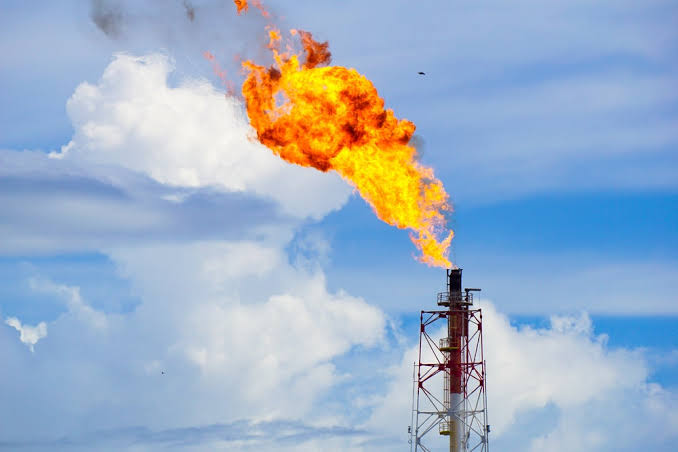
Methane is one of the fastest ways to influence near-term warming.
That is why the latest progress report from the Oil and Gas Climate Initiative deserves close attention.
OGCI, whose 12 members include BP, Chevron, Eni, Equinor, ExxonMobil, Petrobras, Saudi Aramco, Shell and TotalEnergies, reports that its members met their collective 2025 upstream carbon-intensity ambition and maintained upstream methane intensity below 0.20% for a fifth consecutive year.
According to the reported data, members reduced aggregate upstream operated carbon intensity to 16.5 kilograms of CO₂ equivalent per barrel of oil equivalent in 2025, below the group’s voluntary ambition of 17.0 kg CO₂e/boe. Upstream methane intensity was 0.13%, below the 0.20% threshold, while routine flaring was reported to have fallen 74% compared with the 2018 baseline.
These outcomes are meaningful.
But they are not the end of the story.
The next and harder test is whether industry targets translate into sustained reductions in absolute methane emissions, more complete measurement and action across the full gas value chain.
Intensity is useful. The atmosphere responds to tonnes.
Why methane matters now
Methane has a much shorter atmospheric lifetime than carbon dioxide, but it is highly effective at trapping heat while it remains in the atmosphere.
That makes methane reduction one of the most important near-term levers for slowing the rate of warming.
In oil and gas operations, methane can be emitted through:
Leaks from equipment
Venting
Pneumatic devices
Storage tanks
Compressor stations
Gathering and processing systems
Incomplete combustion
Flaring systems
Abandoned or poorly sealed wells
Many of these emissions can be reduced with existing technology.
Leak detection and repair, equipment upgrades, vapour recovery, better maintenance, electrification and the end of routine flaring can all reduce emissions. In some cases, captured methane can be sold rather than wasted.
That creates a practical case for action.
Methane reduction is climate action, operational efficiency and risk management at the same time.
The progress is real
OGCI’s reported results show that coordinated industry initiatives can contribute to improvement.
The group says its upstream methane emissions fell from 1.95 million tonnes in 2017 to 760,000 tonnes in 2025. It also reports lower Scope 1 emissions from operated assets and significant reductions in routine flaring.
This matters for three reasons.
First, methane is often one of the most cost-effective areas for emissions reduction in oil and gas.
Second, reduced flaring can improve local air quality as well as cutting climate emissions.
Third, the progress creates evidence that targets, measurement and operational focus can produce results.
But the figures also illustrate why careful interpretation matters.
Intensity is not the same as emissions
Methane intensity measures methane emissions as a share of marketed gas.
This can be a helpful measure because it shows how efficiently a company is managing methane relative to production. It can support comparison between assets and highlight operational performance.
But intensity alone can be misleading.
A company can reduce methane intensity while total methane emissions remain flat or rise if production increases. Conversely, absolute emissions may fall even if intensity changes little.
This does not make intensity targets unhelpful.
It means they should be used alongside absolute emissions data.
Stakeholders should ask both:
How much methane is emitted per unit of gas produced?
How many tonnes of methane are emitted in total?
The first question helps assess operational efficiency.
The second helps assess climate impact.
Both matter.
The 2030 target raises the bar
OGCI says it is now aiming for collective upstream methane intensity of 0.1% by 2030. Its members are also associated with the wider Oil and Gas Decarbonization Charter’s ambition of near-zero methane emissions from operated assets by 2030. OGCIogci
That is a more demanding goal.
Moving from 0.13% to 0.1% may look like a small numerical change. Operationally, however, it can become harder as emissions are driven down.
The easiest leaks and venting sources may be addressed first. Remaining emissions can require more frequent detection, better measurement, targeted equipment replacement and investment in difficult assets.
This is where implementation quality matters.
Companies need to show:
Which sources of methane are included
How often they are measured
Whether estimates are replaced with direct measurement
How satellite, aerial and ground-based monitoring are used
How quickly identified leaks are repaired
Whether data covers operated and non-operated assets
How flaring performance is monitored
What happens when results fall short of target
A target is only as credible as the measurement system behind it.
Measurement is changing quickly
Methane measurement has improved rapidly.
Satellite monitoring, aircraft surveys, drones, continuous sensors and improved site-level measurement can identify emissions that may previously have been missed by inventory-based estimates.
This is positive for transparency.
But it can create an uncomfortable outcome: emissions may appear to rise when companies begin measuring more accurately.
That should not automatically be interpreted as failure.
In some cases, better measurement reveals a problem that already existed. The important question is whether the company then acts on the information.
A mature methane strategy should welcome better detection.
It should not rely on weak measurement to maintain a favourable intensity number.
Flaring needs continued attention
OGCI reports that routine flaring across its members fell substantially compared with its baseline. That is positive.
Routine flaring wastes gas, produces carbon dioxide and can create local air-quality impacts. Incomplete combustion can also release methane.
Eliminating routine flaring is therefore an important part of operational decarbonisation.
But the test is again practical.
Companies should report:
The volume of gas flared
The frequency and causes of flaring
The distinction between routine, safety-related and emergency flaring
The methane performance of flare systems
The investments made to capture, use, reinject or otherwise manage associated gas
Progress at individual assets, not only portfolio averages
Portfolio averages are useful. Communities and regulators also need to understand what happens at specific sites.
Methane performance is a licence-to-operate issue
Methane is no longer a specialist environmental issue.
It affects access to capital, regulatory exposure, export-market requirements, community trust and corporate credibility.
Importing regions are tightening methane rules. Investors are asking for better data. Civil-society organisations and researchers can use satellite evidence to scrutinise company claims. Customers increasingly expect low-emissions gas and credible supply-chain information.
For oil and gas companies, methane reduction is becoming part of the licence to operate.
The companies that perform best will be those that treat methane as an operational discipline.
That means:
Measuring rather than assuming
Repairing rather than delaying
Reporting absolute as well as intensity data
Publishing methodology and asset coverage
Extending action beyond operated assets where influence exists
Building methane performance into executive accountability and capital planning
Progress should accelerate, not conclude
OGCI’s latest report shows that industry action can reduce methane intensity and flaring.
That progress should be recognised.
But 2025 targets are milestones, not finish lines.
The global challenge is not only to improve the carbon and methane intensity of existing operations. It is to drive down total methane emissions quickly, transparently and durably.
The industry’s 2030 targets will be judged not by headline commitments alone, but by the quality of measurement, the scope of action and the tonnes of methane kept out of the atmosphere.
The conclusion is simple.
Methane intensity matters.
Absolute methane emissions matter more.