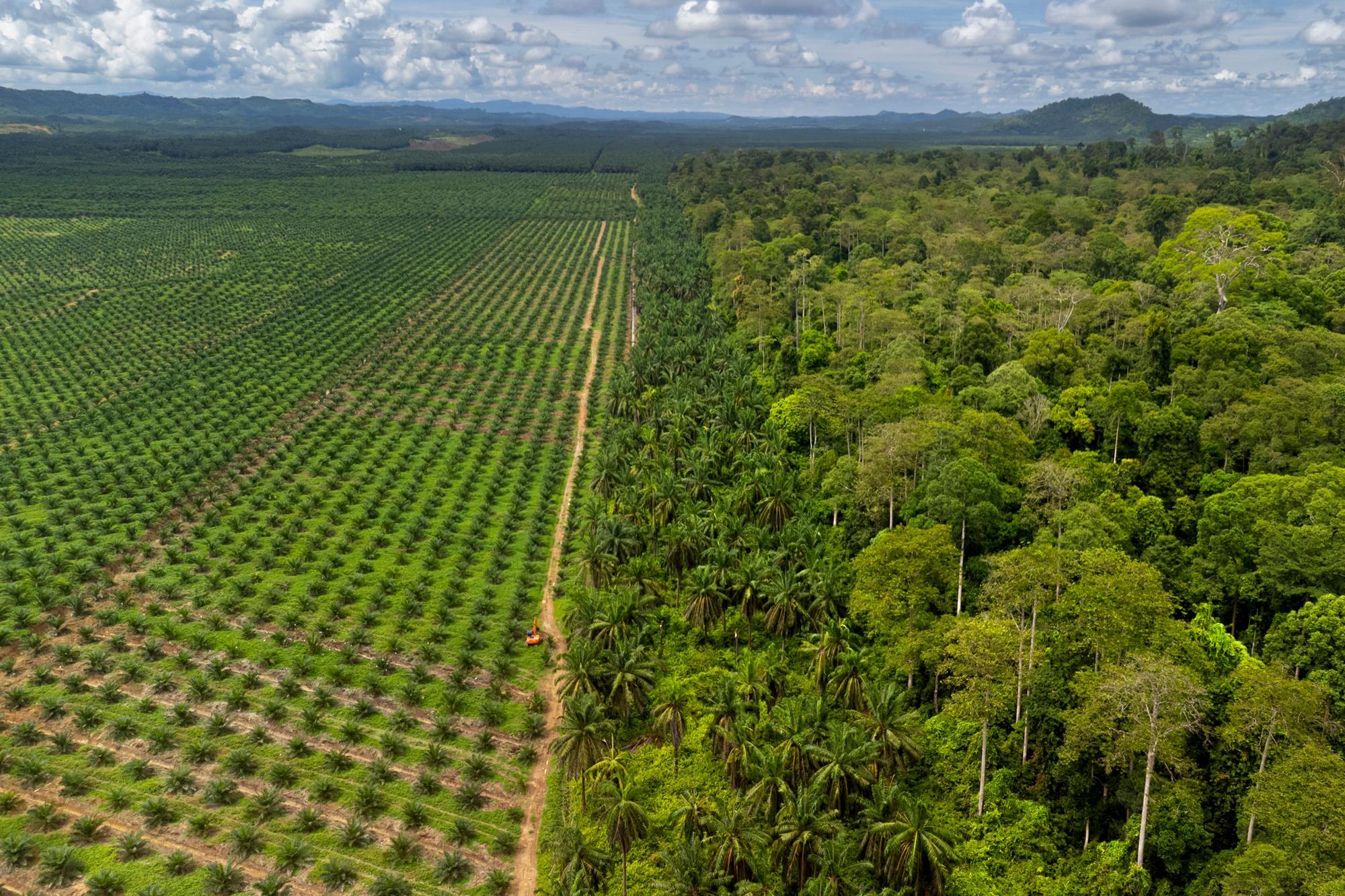
Deforestation risk is moving closer to the centre of UK corporate compliance.
The UK Government has announced plans to introduce regulations requiring businesses to ensure that their supply chains are not contributing to illegal deforestation. A consultation is expected this year, with proposals intended to align core commodities and information requirements with the EU Deforestation Regulation in order to reduce unnecessary duplication for businesses.
For companies that trade in or use commodities such as soy, palm oil, cocoa and rubber, this is an important signal.
The immediate task is not to predict every final legal detail. It is to recognise that commodity traceability is becoming a board-level issue—one that connects procurement, legal, sustainability, finance, product development and risk management.
Deforestation is a data problem before it becomes a legal problem
Most businesses do not set out to source from illegal deforestation. But complex supply chains can make it difficult to know exactly where raw materials originated, how they moved through traders and processors, and whether supplier assurances are specific enough to support a responsible sourcing claim.
A supplier code of conduct is not the same as due diligence.
A policy may set expectations, but due diligence requires a process: identifying risks, seeking evidence, responding to gaps, escalating concerns, tracking improvement and communicating outcomes appropriately.
The OECD describes responsible-business due diligence as a process through which companies assess and address actual and potential negative impacts in their operations, supply chains and business relationships.
For deforestation risk, that means moving from broad policy statements to commodity-level intelligence.
The traceability questions companies should ask now
Businesses should start by asking practical questions of their supply chains:
Which commodities create the most material exposure?
Which products contain those commodities, including derivatives and processed inputs?
Which countries, regions and suppliers are involved?
How far upstream can the business currently trace the material?
What documents or geolocation information can suppliers provide?
What happens when supplier evidence is incomplete or inconsistent?
Who can make responsible-sourcing claims, and on what basis?
The answers may reveal significant data gaps. That is not necessarily a failure. It is the starting point for a credible risk-management programme.
Procurement needs to lead with sustainability
The most effective deforestation due diligence will not be managed as a reporting exercise conducted once a year.
It needs to be integrated into commercial decisions.
Procurement teams need clear supplier requirements. Contract managers need escalation rights. Product teams need to understand where new materials or formulations create risk. Sustainability teams need access to information that is sufficiently detailed to assess impacts and support external communication. Legal and compliance teams need a process for evaluating evidence and determining when remediation, disengagement or further investigation is required.
This is where many corporate programmes break down. They identify an issue but do not embed it in the systems that determine who the business buys from.
A practical starting framework
Map material exposure
Create a commodity risk register that covers direct purchases and relevant indirect inputs.
Segment suppliers
Prioritise suppliers and supply chains according to commodity risk, country exposure, spend, volume and the quality of traceability already available.
Define evidence standards
Specify what information is required, how often it must be updated and what minimum evidence is necessary before a claim can be approved.
Create a response process
Develop a clear approach for missing data, red flags, supplier improvement plans and serious non-compliance.
Align communications with evidence
Review responsible-sourcing, nature and deforestation-related claims across reports, websites, investor materials and product communications.
Prepare before the consultation becomes compliance
The proposed UK direction matters beyond its eventual legal scope. Large buyers, lenders, investors and consumers are already asking more detailed questions about commodity sourcing and nature-related impacts.
Businesses that begin mapping their exposure now will be able to participate in the consultation from a position of knowledge. They will also be better placed to respond when customers request traceability information or when regulators introduce final requirements.
Deforestation due diligence should not be viewed only as a future compliance burden. It is an opportunity to create more resilient supply chains, improve supplier relationships and ensure that sustainability claims are grounded in evidence.
The next supply-chain test has begun. The time to build traceability is before the rules require it.
Sources:
Association of Corporate Treasurers, ESG Update: July 2026 — reports the UK Government’s plan to consult on due-diligence rules addressing illegal deforestation in supply chains, including commodities such as soy, palm oil, cocoa and rubber.
OECD, Due Diligence for Responsible Business Conduct — describes due diligence as a process to assess and address actual and potential adverse impacts across operations, supply chains and business relationships.
International Labour Organization, Responsible Business Conduct — provides guidance and resources on responsible business conduct